

Upvc Soffit
Add a review FollowOverview
-
Founded Date 6 December 2025
-
Sectors Health Care
-
Posted Jobs 0
-
Viewed 10

Company Description
See What Eaves Replacement Tricks The Celebs Are Making Use Of
The Complete Guide to Eaves Replacement
Eaves are an important part of a building’s roof system. These overhanging edges serve multiple functions, from directing rainwater away from the structure to improving the visual appeal of a structure. Nevertheless, like any other structure part, eaves can wear in time due to exposure to the elements. This article will explore the significance of eaves, the indications that indicate a requirement for replacement, the process of eaves replacement, and frequently asked questions related to this topic.
Comprehending Eaves
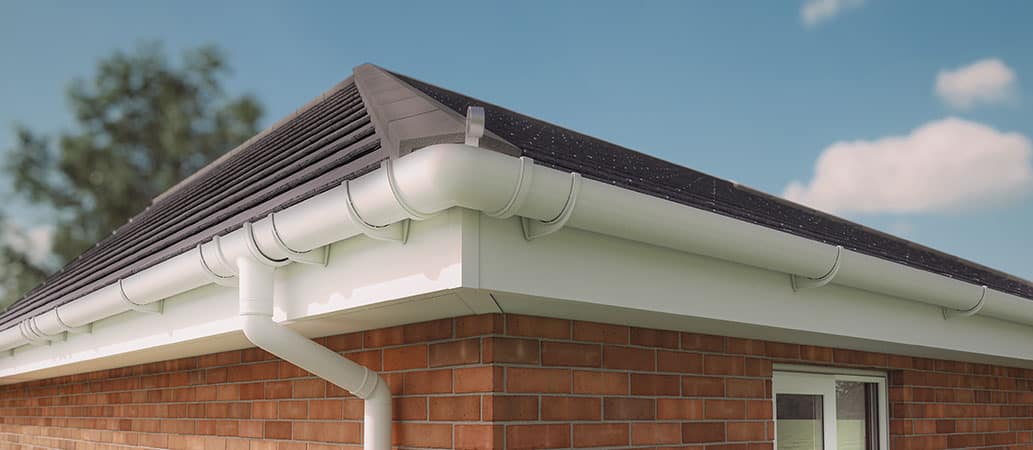
Eaves are the part of a roofing system that overhangs the walls of a structure. They can be found in various architectural styles, and their design frequently depends upon the building’s overall aesthetic. The primary functions of eaves are:
-
Water Management: Eaves help in directing rainwater far from the walls and structure, hence preventing water damage and disintegration.
-
Protection: They shield the structure from direct sunlight, which can help in minimizing cooling expenses in warmer environments.
-
Aesthetic Appeal: Eaves contribute substantially to the architectural style and beauty of a building.
Kinds of Eaves
There are mainly two kinds of eaves: Open Eaves and Closed Eaves.
-
Open Eaves: These have actually exposed rafters or beams and supply a rustic appearance. They are easy to keep however might require more attention to avoid water damage.
-
Closed Eaves: These are finished with a soffit and fascia, producing a cleaner appearance. They typically are better at hiding necessary elements, such as ventilation systems.
| Feature | Open Eaves | Closed Eaves |
|---|---|---|
| Visual Appeal | Rustic | Clean |
| Maintenance Ease | Simpler | More Complex |
| Protection Level | Moderate | High |
Indications That Your Eaves Need Replacement
It is important to check eaves occasionally to guarantee they are in great condition. Some indications that indicate a requirement for eaves replacement include:
-
Visible Damage: Cracks, holes, or significant wear are clear indicators that your eaves might need replacement.
-
Water Stains: If you notice water stains on interior walls or ceilings, it could recommend that water is not being effectively directed away.
-
Sagging or Drooping: Eaves that sag or sag might be an indication of structural failure or heavy water accumulation.
-
Rotting Wood: Wood eaves are susceptible to rot. If the wood feels soft or reveals indications of decay, replacement is needed.
-
Insect Infestation: Evidence of pests like ants or termites can be a sign of instability in the eaves and therefore a need for replacement.
The Eaves Replacement Process
Replacing eaves can be a labor-intensive task, typically needing professional support. Below is a detailed procedure of how eaves are generally replaced:
-
Assessment: Identify damage and identify the type of eaves that need to be changed.
-
Removal: Carefully get rid of the existing eaves. This might include cutting nails or screws and ensuring that contributing structures are not harmed.
-
Preparation: Inspect and repair any damage to the underlying structures, such as fascia boards.
-
Installation: Install the brand-new eaves. This involves connecting them securely to ensure prevent future concerns.
-
Completing Touches: After installation, painting or sealing the eaves might be required to safeguard versus the elements.
-
Examination: Carry out a final inspection to make sure that whatever has actually been installed correctly and that there are no leakages.
Maintenance Tips for Eaves
When the brand-new eaves are set up, it is vital to keep them properly maintained. Here are some ideas:
- Regularly tidy seamless gutters to prevent clogs.
- Examine eaves after heavy storms for any damage.
- Paint or seal wood eaves every 3-5 years to prevent rot.
FAQs About Eaves Replacement
Q1: How long does it usually take to replace eaves?A: The period depends on the size of the job and intricacy but can vary from a few hours to a couple of days.
Q2: Can I change eaves myself?A: DIY replacement is possible for those with the best skills and tools. Nevertheless, hiring experts is a good idea for safety and efficiency, specifically for complicated structures. Q3: What products are commonly utilized for eaves?A: Eaves can
be made of various materials, including wood, vinyl,
aluminum, and fiber cement. The option typically depends on the building’s style and environmental conditions. Q4: How much does eaves replacement generally cost?A: Costs differ considerably based on area, materials picked, and labor charges, normally varying
from ₤ 100 to ₤ 300 per direct foot for installation. Q5: Can I change the design of my eaves?A: Yes, eaves can be replaced with a various style during the replacement process, enabling property owners to improve their structure’s aesthetics. Eaves play an important function in protecting a structure and improving its look. Routine examinations and timely replacements are important to maintain both functionality and looks. While eaves replacement can be a daunting task, comprehending the process and understanding when to do something about it can make it more manageable. Interested property owners should consult experts to guarantee a successful replacement procedure tailored to their specific needs.